
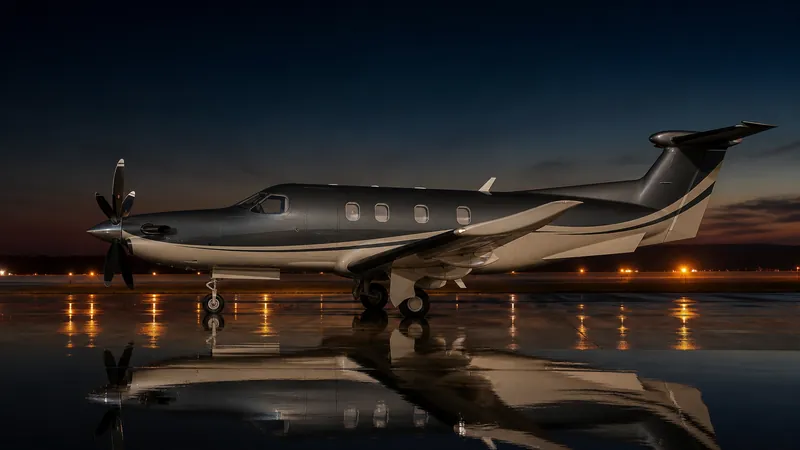
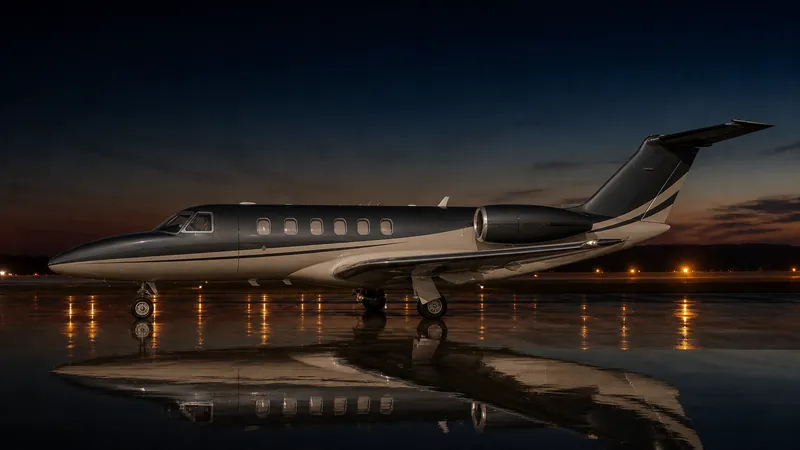
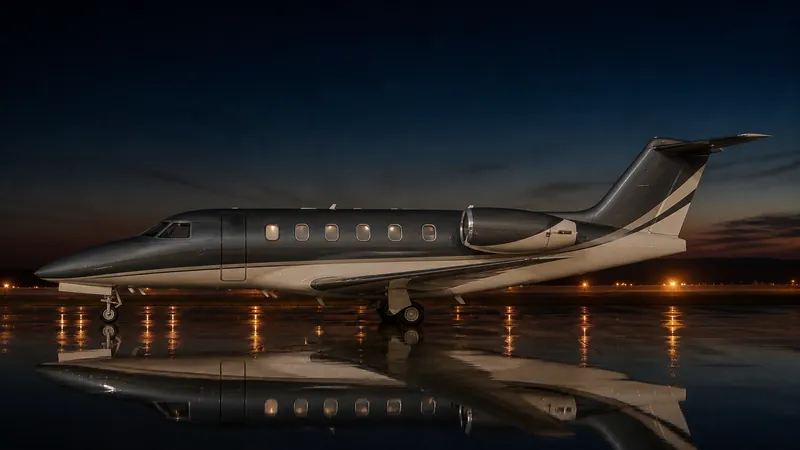
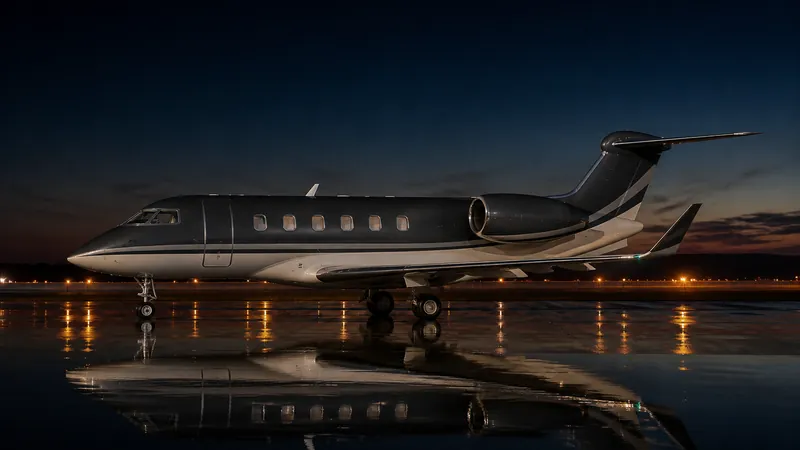
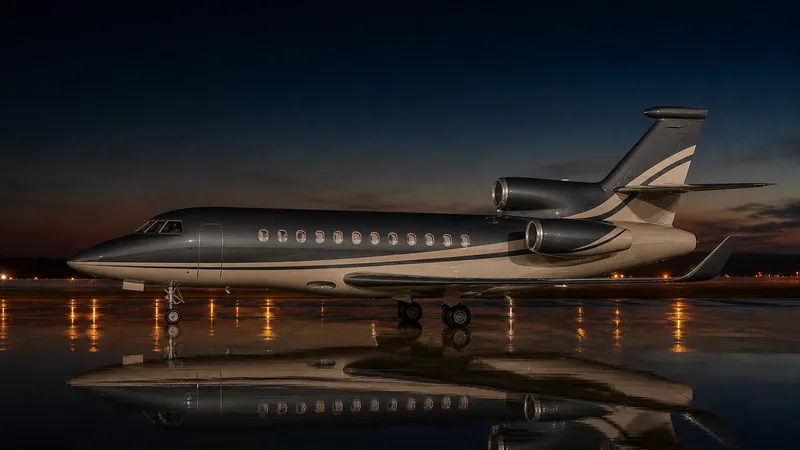
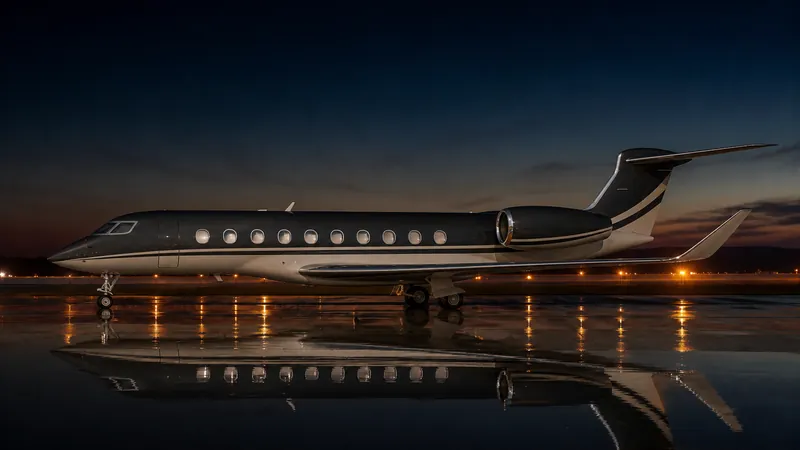
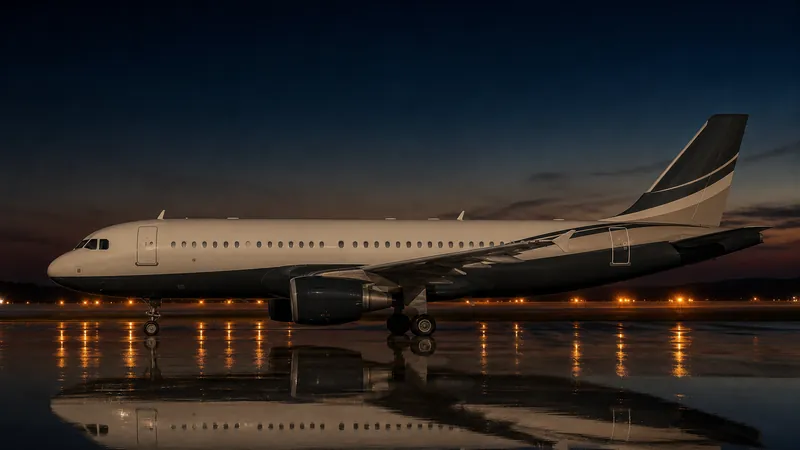
Most brokers quote the aircraft they can source most easily. We work the other way: the leg length, the passenger count, the luggage, the runway at both ends and the time of day dictate the class, and only then do we go looking for tails.
Four things decide it. Distance sets the floor — an aircraft that cannot make the leg nonstop with your actual load is the wrong aircraft, regardless of what the brochure range says. Payload is the constraint people forget: every kilo of luggage is a kilo of fuel you cannot carry, and a light jet at maximum seats is often not a light jet at maximum range. Runway rules out whole classes at Courchevel, Sion, Saint-Barth and London City. Cabin time is the last one — past three hours, standing headroom and a proper lavatory stop being luxuries.
Where the answer is marginal we say so. If London–Dubai on a super-midsize would need a technical stop against winter headwinds, you hear that before you book, not at the fuel stop. If a turboprop gets you there fifteen minutes later for a third less, we will tell you that too — even though it is the smaller booking.
Reading the numbers on these pages
Range figures are manufacturer maximums under standard conditions: full fuel, four passengers, no wind. Real legs rarely look like that. Hourly guides are market ranges for European and Gulf charter and move with fuel, season and where the aircraft is starting from. Both are here to set expectations — the number that matters is the fixed all-in quote we confirm before you commit.
Where the fleet flies
Our most-flown corridors are London and Paris to the Côte d’Azur, the Balearics and the Greek islands; London and Geneva to the Gulf; and Lagos to London and Dubai. See popular routes and typical prices or browse jet destinations for airport, handling and ground-transfer detail city by city.