
Aircraft class · Turboprops

Turboprop charter

The only aircraft that reaches the runways the jets cannot — alpine altiports, island strips and grass. The most affordable way to fly private, and often the fastest door-to-door on short legs.

Turboprop plan-view silhouette
Passengers
6–9
Range
~1,000 nm
Typical leg
up to 2h 30m
Cruise
300–320 kt
Typical hourly
£1,800–£2,600*

*Market guide. Your fixed all-in quote — aircraft, crew, positioning, handling and fees — is confirmed before you commit and does not change afterwards.

Get a fixed quote on WhatsApp Send full trip details Email for a quote

The aircraft

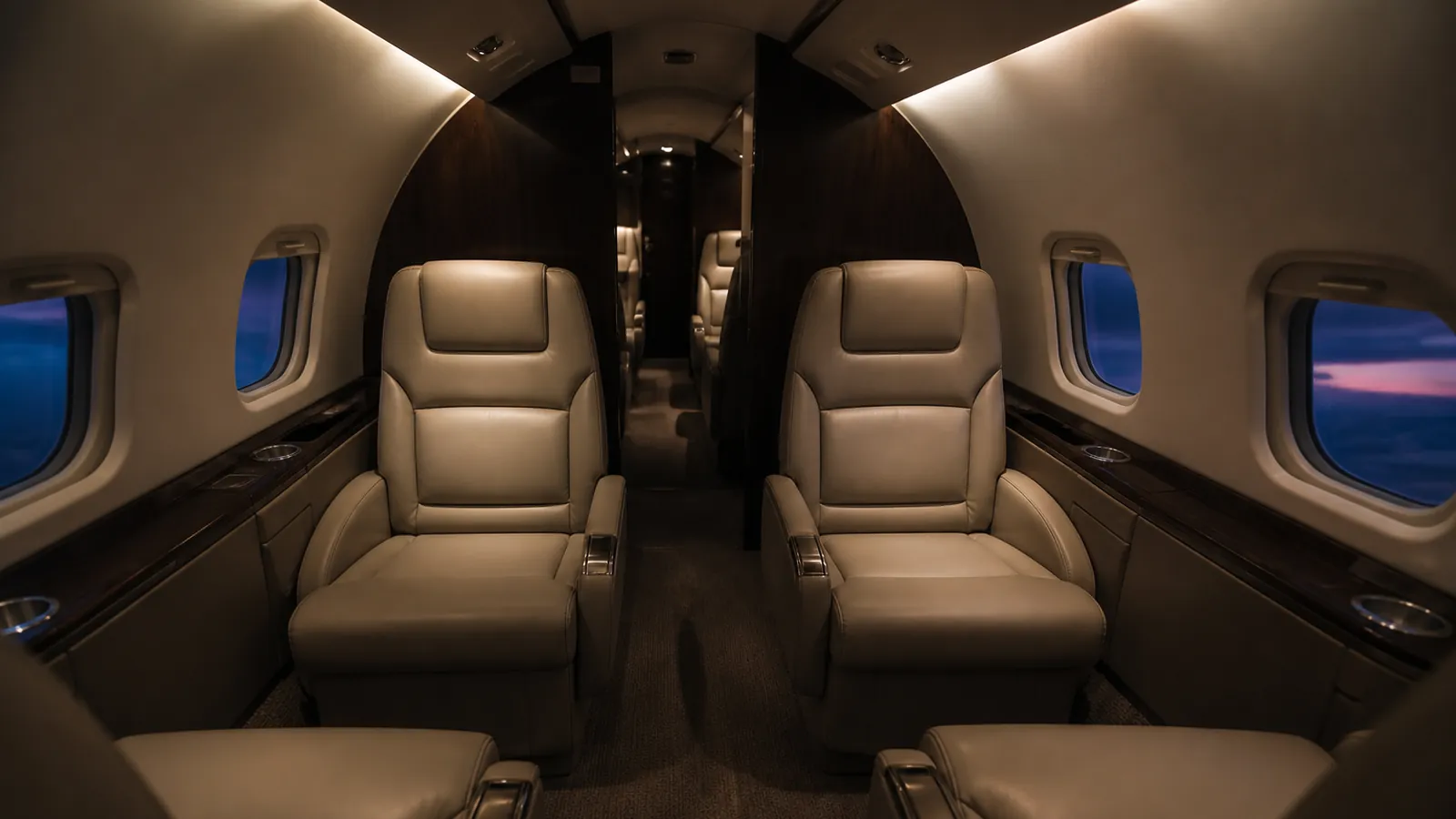
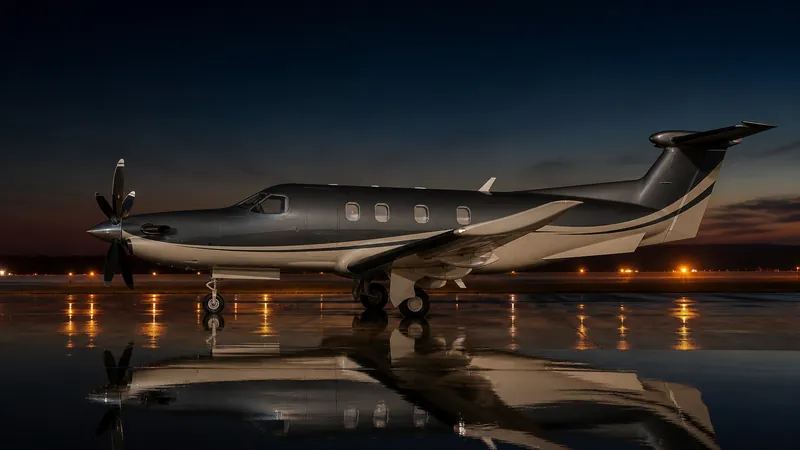
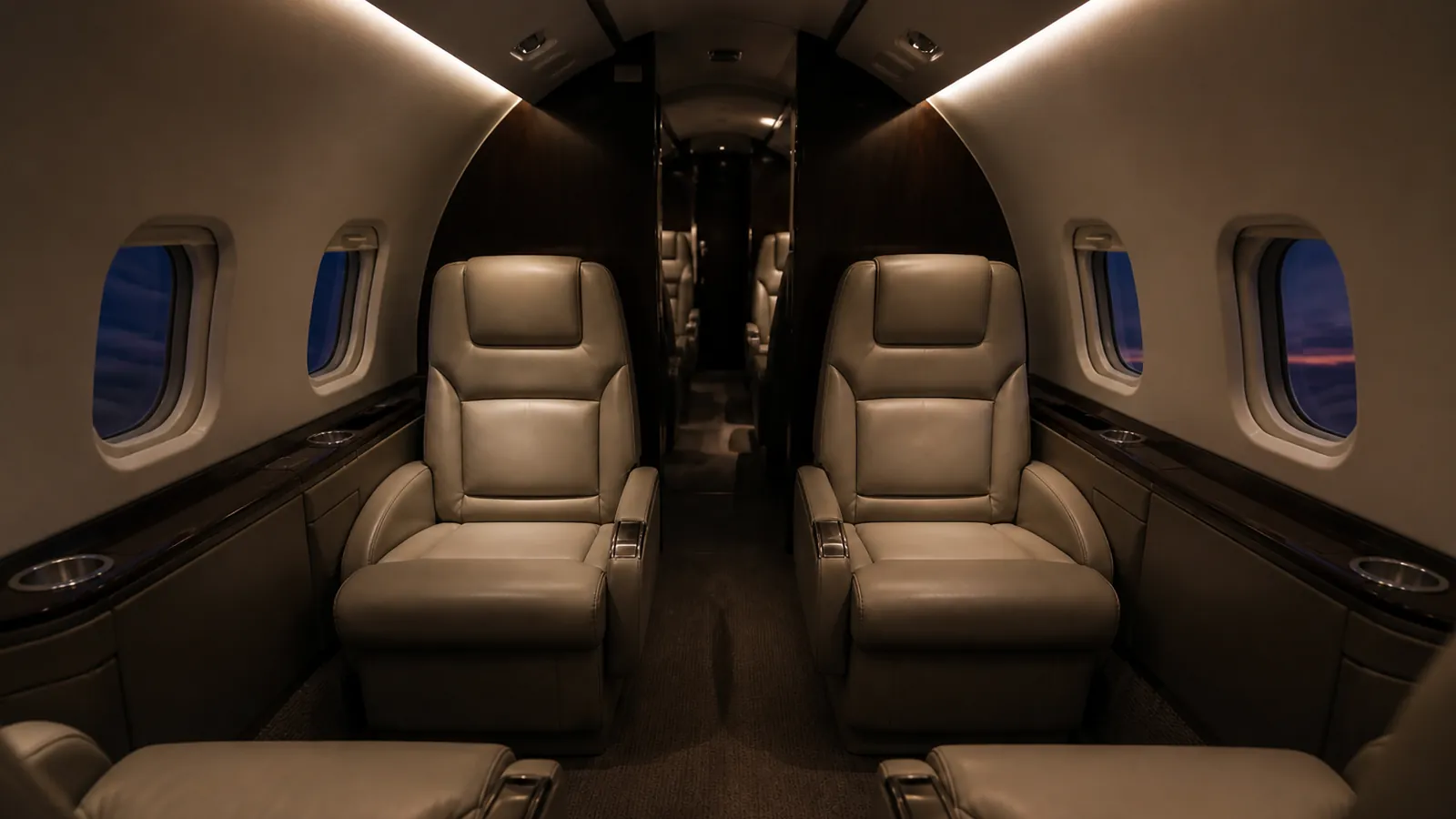
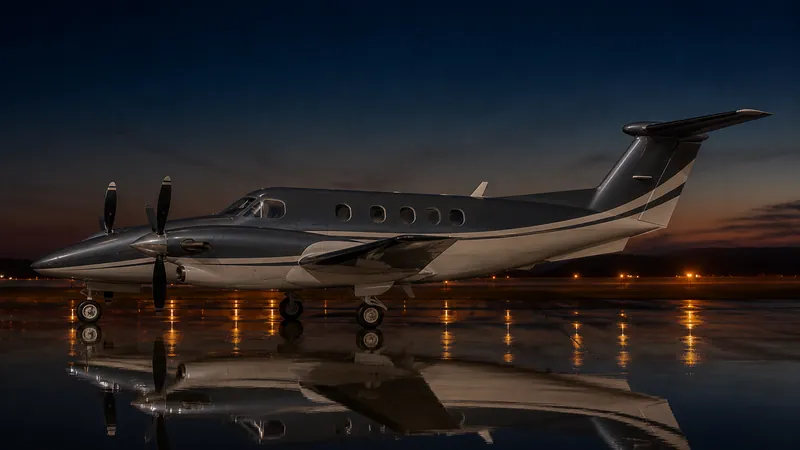
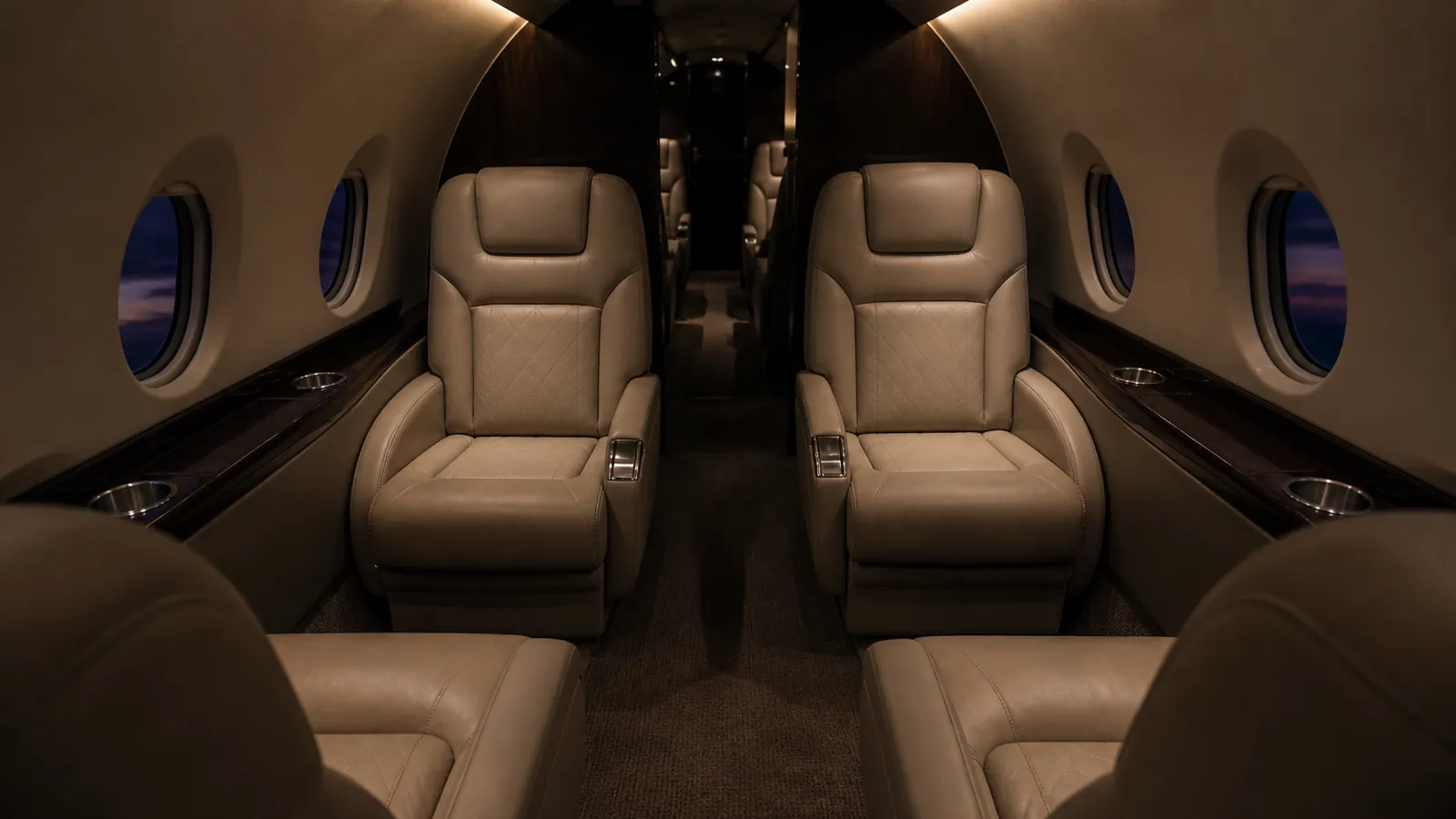
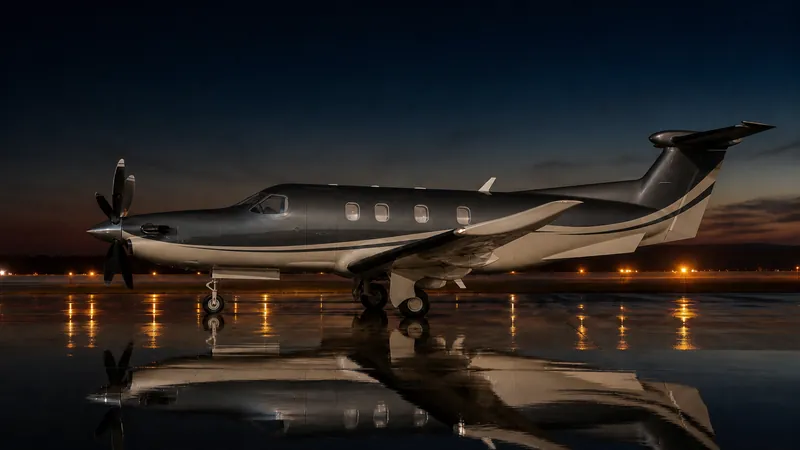
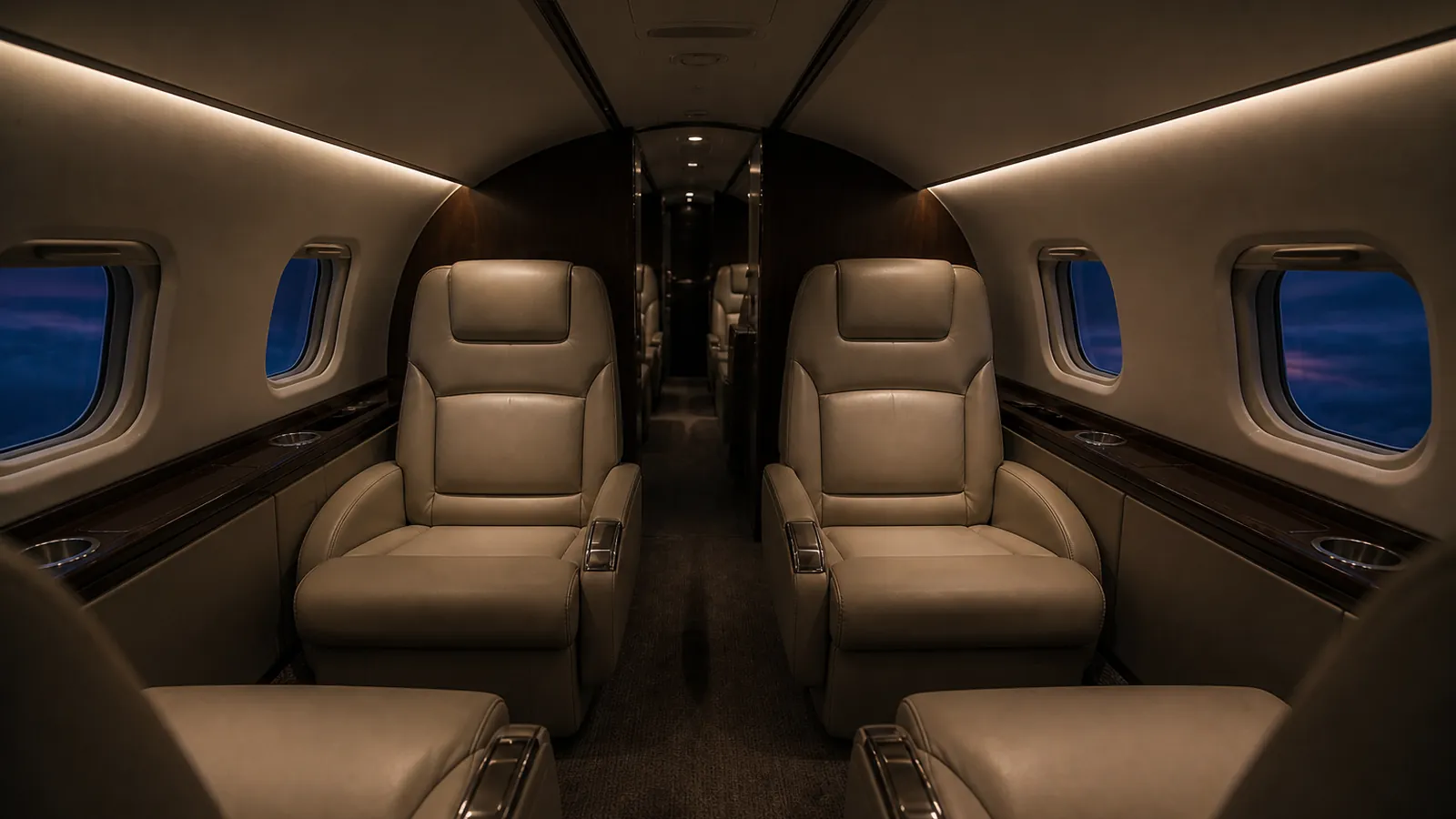
What this class looks like on the ramp and inside — and how the cabin is actually laid out.

Turboprop cabin layout diagram

Typical PC-12 / King Air 350i layout — club four, two forward seats, aft lavatory and a genuine baggage hold. Cabin about 5.1 m long, 1.45 m high. Layouts vary between airframes — we confirm the exact cabin and seat count for the tail we are quoting.

When a turboprop is the right aircraft

A turboprop trades cruise speed for field performance. On a 300-nautical-mile leg that trade barely costs you anything: the jet climbs, levels off and starts down again, and the turboprop lands within fifteen minutes of it. What you gain is access — Courchevel Altiport, Sion, Lugano, the Channel Islands, unpaved strips in West Africa — and a bill roughly a third lower than a light jet for the same trip.

The cabins are more capable than people expect. A PC-12 NGX or King Air 350i seats six to nine in a stand-up cabin with a lavatory and a genuine baggage hold — enough for a ski week, not just a weekend bag. Single-engine turboprops like the TBM are quicker still but tighter, and better suited to two or three passengers travelling light.

Where a turboprop stops making sense is over water and over distance. Past roughly two and a half hours the speed penalty compounds, and for anything transalpine in weather a jet climbing above the system is the better aircraft. We will tell you when that line has been crossed.

Representative aircraft

  • Pilatus PC-12 NGX — 8 seats · single engine · unpaved-capable
  • Beechcraft King Air 350i — 9 seats · twin engine · stand-up cabin
  • Daher TBM 960 — 6 seats · fastest single · 330 kt cruise

What it suits

  • Alpine altiports — Courchevel, Sion, Samedan
  • Channel Islands and Isle of Man
  • Short domestic legs under 90 minutes
  • Airfields with runways below 1,200 m

Questions

How much does a turboprop cost per hour?
As a market guide, £1,800–£2,600 per flight hour — roughly a third less than a light jet for the same trip, which is why it is the cheapest way to fly private on short legs. Your fixed all-in quote covers aircraft, crew, positioning, handling and fees.
Is a turboprop as safe as a jet?
Yes. Commercial turboprop operations run to the same regulatory standard as jets, with the same crew licensing, maintenance regime and operator oversight. We charter only from AOC holders audited to Wyvern or ARGUS standard.
Why is it so much cheaper?
Fuel burn and maintenance. A King Air burns roughly half the fuel of a light jet per hour and costs far less to keep airworthy — that difference passes straight into the charter price.
Can it reach Courchevel?
Yes — the altiport is the classic turboprop destination, and the aircraft type is one of the few certified for its 537-metre sloped runway. Jets cannot land there at all; they route to Chambéry or Geneva and finish by helicopter or road.